Optimizing Vaporization Temperatures for Terpene Preservation in Australian Medical Cannabis
This paper investigates the optimal temperature ranges for vaporizing Australian medical cannabis to ensure maximum terpene preservation and enhanced therapeutic effects.
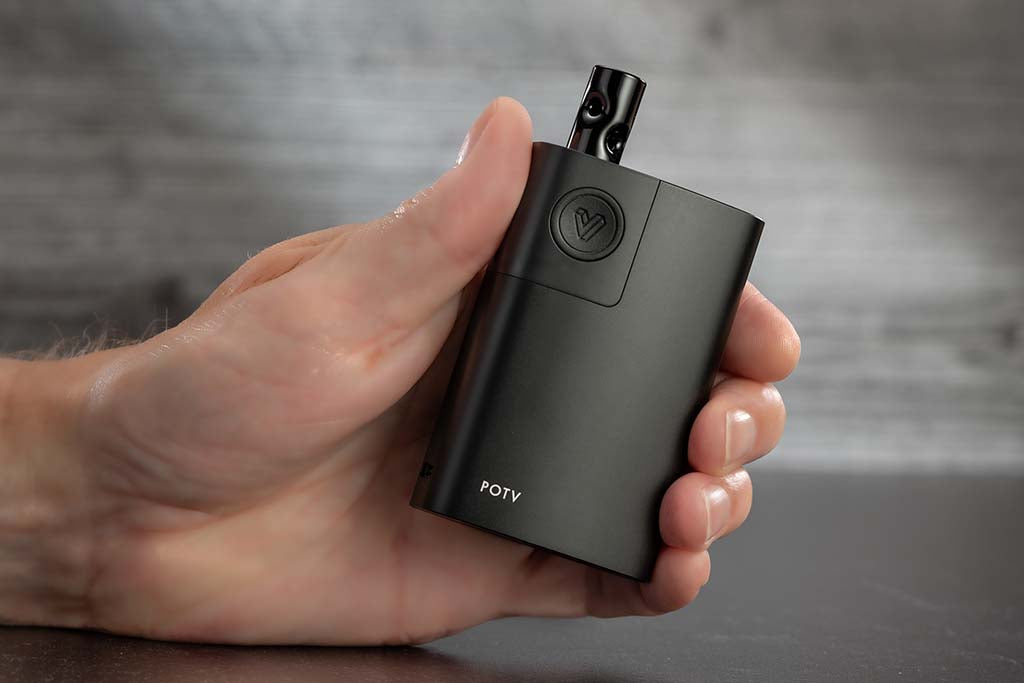
The Australian medical cannabis landscape, while still maturing under the TGA’s regulatory framework, is increasingly focused on refining product quality and patient experience. A significant aspect of this refinement lies in understanding and controlling the nuanced interplay between temperature and the volatile organic compounds known as terpenes. These compounds, responsible for the distinct aromas, flavours, and many of the proposed therapeutic properties of cannabis, are highly susceptible to degradation when exposed to excessive heat. For patients utilising vaporisation as their preferred consumption method, optimising temperature settings is paramount to preserving the integrity of the terpene profile and, by extension, the full potential of their prescribed medication. This meticulous approach to consumption moves beyond mere delivery of cannabinoids, exploring the intricate symphony of compounds that contribute to the plant’s holistic effects. The goal is not just to consume, but to truly extract and appreciate the full spectrum of beneficial molecules, ensuring that each dose delivers its intended therapeutic promise without compromise.
The Volatility of Terpenes
Terpenes are a diverse class of organic compounds found in various plants, including cannabis, conifers, citrus, and even some insects. They are characterised by their distinctive aromas and flavours, ranging from the bright, uplifting citrus notes of limonene, reminiscent of a freshly peeled orange, to the earthy, musky undertones of myrcene, often found in hops and mangoes. Beyond their sensory appeal, preliminary research suggests terpenes may interact synergistically with cannabinoids, a phenomenon often referred to as the “entourage effect.” This theory posits that the combined action of cannabinoids, terpenes, and other cannabis compounds is greater than the sum of their individual parts, potentially modulating and enhancing the therapeutic outcomes of medical cannabis. For instance, some terpenes like pinene are thought to promote alertness, potentially counteracting the sedative effects of certain cannabinoids, while others like linalool, found in lavender, may contribute to relaxation and stress reduction.
However, terpenes are inherently volatile. This means they have relatively low boiling points compared to their cannabinoid counterparts like THC (tetrahydrocannabinol) and CBD (cannabidiol). While THC typically boils around 157°C and CBD around 160-180°C, many common terpenes begin to vaporise or degrade at significantly lower temperatures. Exposing cannabis flower or concentrates to temperatures exceeding their individual boiling points can lead to their rapid degradation, premature vaporisation, or even combustion. This results in a significant loss of their characteristic aromas, flavours, and, crucially, their potential therapeutic contributions. Imagine trying to capture the delicate scent of a rose by burning it; the nuanced fragrance would be lost to acrid smoke. Similarly, overheating cannabis destroys the subtle complexities of its terpene profile. This inherent volatility underscores the critical importance of precise temperature control during consumption, especially for patients seeking to maximise the entourage effect and fully experience the prescribed benefits of their medication.
Understanding Vaporisation Principles
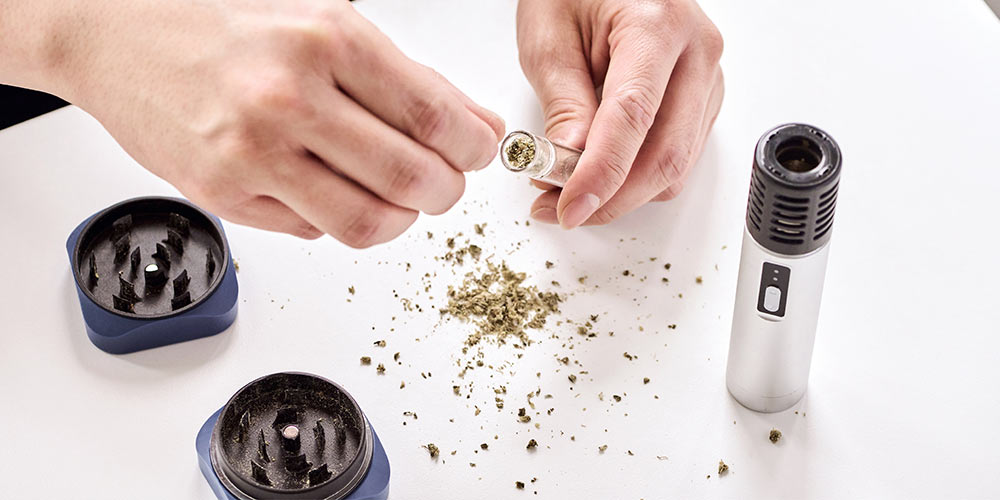
Vaporisation, as a consumption method for medical cannabis, involves heating the plant material or concentrate to a temperature sufficient to release cannabinoids and terpenes as a breathable vapour, without causing combustion. This distinguishes it fundamentally from smoking, which involves burning the plant material at extremely high temperatures (often exceeding 600°C), producing harmful byproducts like tars, carcinogens, and respiratory irritants. Modern vaporisers, whether sleek, portable devices designed for on-the-go use or robust, desktop models offering precise temperature control, offer varying degrees of heating mechanisms. These typically involve conduction (direct contact heating), convection (heating with hot air), or a hybrid of both, allowing patients to select specific heat settings tailored to their preferences and the properties of their medication.
The core principle behind effective vaporisation for terpene preservation is to operate within a temperature range that is high enough to efficiently vaporise the desired therapeutic compounds but low enough to meticulously avoid thermal degradation or combustion. This delicate balance is key. Different terpenes, as we’ve established, possess distinct boiling points. This means a single “ideal” temperature setting may not capture the full, complex spectrum of compounds present in a given cannabis strain. For example, a temperature perfect for extracting limonene might be too low for some cannabinoids or too high for more delicate terpenes. This necessitates a thoughtful and often iterative approach to temperature selection, encouraging patients to experiment within a safe and effective range, gradually discovering the settings that best suit their individual needs and the specific product they are using. The aim is to gently coax out the beneficial compounds, rather than aggressively burning them away, thereby ensuring a smoother, more flavourful, and potentially more therapeutically effective experience.
“Optimising vaporisation temperatures is not merely about avoiding harshness; it’s about extracting the full aromatic and potential therapeutic spectrum of the cannabis plant, transforming consumption into an art of precise extraction.”
Terpene Boiling Points and Vaping Strategies
A growing body of scientific research has meticulously catalogued the boiling points of common cannabis terpenes, providing invaluable data for informed vaporisation strategies. For instance, myrcene, known for its earthy, clove-like, and musky notes, and often associated with the “couch-lock” effect, typically begins to vaporise around 167°C (332°F). Pinene, with its refreshing, characteristic pine aroma, often found in pine needles and rosemary, has a slightly lower boiling point of approximately 155°C (311°F), and is linked to alertness and memory retention. Limonene, responsible for those bright, uplifting citrus scents, vaporises around 177°C (350°F) and is anecdotally associated with mood elevation. Caryophyllene, a spicy, peppery terpene also found in black pepper and cloves, is unique for its ability to interact with cannabinoid receptors (specifically CB2), and is often cited with a boiling point of 160°C (320°F). Linalool, with its floral, lavender-like aroma, boils around 198°C (388°F), while humulene, another earthy, woody terpene, vaporises at approximately 107°C (225°F).
Given these significant variations, a highly effective and increasingly popular strategy for medical cannabis patients is to employ “temperature stepping” or “session vaping.” This involves beginning the vaporisation session at lower temperatures, typically in the range of 150-170°C (302-338°F), to selectively capture the more volatile and often lighter terpenes, which contribute significantly to the initial flavour and aroma profile. As the session progresses, the temperature can be incrementally increased, perhaps by 10-15°C every few minutes or after a few draws, to gradually extract compounds with higher boiling points, such as the major cannabinoids like THC and CBD, and the less volatile terpenes. This methodical “temperature stepping” approach allows for a more comprehensive and layered extraction of the plant’s diverse constituents, ensuring that a wider array of beneficial molecules are released. This not only enhances the overall sensory experience, providing a nuanced appreciation of the strain’s full flavour and aroma profile, but also potentially maximises the therapeutic efficacy by fully leveraging the entourage effect. Patients can experiment to find their personal sweet spot, often starting low for flavour and gradually increasing for a fuller effect, tailoring each session to their specific needs and the unique characteristics of their prescribed medication.

The Australian Context and Product Quality
In Australia, medicinal cannabis products are prescribed through the TGA’s (Therapeutic Goods Administration) Special Access Scheme or Authorised Prescriber pathways. This stringent regulatory framework ensures that patients receive their medication from licensed pharmacies, guaranteeing robust quality control and adherence to pharmaceutical standards. This regulated environment means that the cannabis flower and oil products available to Australian patients are typically cultivated, processed, and packaged with meticulous attention to preserving their delicate chemical profiles. Manufacturers are increasingly providing detailed Certificates of Analysis (CoAs) for each batch. These comprehensive documents typically include precise cannabinoid percentages (THC, CBD, CBN, etc.) and, crucially for vaporisation, detailed terpene profiles, often listing the dominant terpenes and their respective concentrations. This wealth of information empowers both patients and their prescribing doctors to make highly informed decisions regarding product selection and consumption methods.
For patients utilising vaporisation, understanding the specific terpene profile of their prescribed strain, as detailed in the CoA, is invaluable. Information on dominant terpenes, often provided directly on product packaging or readily accessible via a QR code linking to the CoA, can serve as an excellent guide for initial temperature settings. For example, if a strain is particularly rich in myrcene, a patient might start their vaporiser at a lower temperature to capture this prominent terpene. Conversely, if a strain features a high concentration of linalool, a slightly higher starting temperature might be more appropriate. The craft of cannabis consumption, particularly through vaporisation, then transforms into an iterative and highly personalised process. It involves matching individual preferences for flavour, aroma, and desired therapeutic effects with the temperature capabilities of their chosen vaporisation device and the unique phytochemical characteristics of their medication. This nuanced approach moves far beyond simple consumption, evolving into an informed appreciation of the plant’s complex chemistry, allowing patients to truly become stewards of their own therapeutic journey, optimising every aspect for maximum benefit and enjoyment.
“The availability of comprehensive Certificates of Analysis in Australia provides an invaluable tool for patients to tailor their vaporisation experience, linking specific terpene profiles to optimal temperature settings and maximising the full potential of their prescribed medication.”
The pursuit of optimal vaporisation temperatures for terpene preservation represents a sophisticated and essential evolution in the understanding and consumption of medical cannabis. As the Australian medical cannabis sector continues to mature, and as patient education around product quality and consumption methods grows, the ability to precisely control heat will become an increasingly important factor in maximising both the therapeutic potential and the sensory enjoyment derived from prescribed cannabis. This careful and informed attention to temperature not only enhances the patient experience by delivering a purer, more flavourful, and potentially more effective dose, but also reinforces a deeper appreciation for the intricate and remarkable chemistry that defines this complex plant. It signifies a move towards truly personalised medicine, where every aspect of the therapeutic process is finely tuned for optimal patient outcomes.