The Art of the Pre-Roll: Crafting Techniques for Enhanced Combustion and Flavor in Australian Market Products
This article delves into the meticulous art of pre-roll crafting, analyzing techniques that enhance combustion efficiency and flavor delivery for cannabis products in the Australian market.
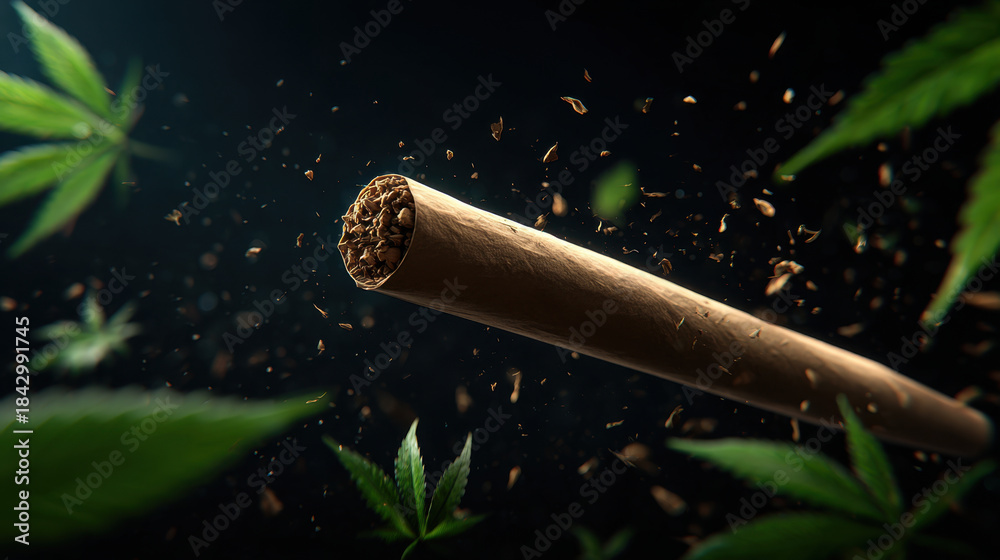
The Australian cannabis market, though primarily medicinal and highly regulated, still fosters a discerning appreciation for product quality and the nuanced experience of consumption. Among the various delivery methods, the humble pre-roll offers a convenient yet often overlooked opportunity for enhancing the combustion and flavour profiles of cannabis flower. Beyond merely grinding and rolling, the creation of an exceptional pre-roll involves a deliberate interplay of material selection, preparation techniques, and construction methods, all aimed at delivering a consistent, enjoyable, and flavourful experience for the authorised patient.
The Foundation: Material Selection and Preparation
The foundation of any quality pre-roll begins with the cannabis flower itself. In Australia, this means legally cultivated and meticulously processed plant material supplied through licensed channels, adhering to stringent quality controls. The characteristics of the chosen strain, its cannabinoid profile, but particularly its intricate terpene composition, are paramount. Terpenes are volatile organic compounds responsible for the kaleidoscopic aromas and complex flavours that define each cultivar, and they also significantly influence the combustion properties of the material. Consider the vibrant citrus notes of a Lemon Haze, derived from high limonene content, or the earthy, spicy undertones of an OG Kush, rich in caryophyllene and myrcene. These delicate compounds are the essence of the sensory experience.
A well-cured flower, with an appropriate moisture content, is absolutely crucial. This isn’t merely about preventing mould; it’s about optimising the burn. Overly dry flower, often brittle and dusty, will burn too quickly and harshly, creating an acrid smoke that rapidly degrades terpenes before their full aromatic potential can be appreciated. Imagine the difference between slowly roasting coffee beans to reveal their complex notes versus burning them to a crisp. Conversely, flower that is too moist can lead to an uneven, sputtering burn, frequent extinguishing, and a less efficient release of its volatile compounds, often leaving a damp, unburnt core. The ideal moisture content, typically between 8% and 12%, ensures a slow, even burn that gently vaporises, rather than incinerates, the precious terpenes and cannabinoids.
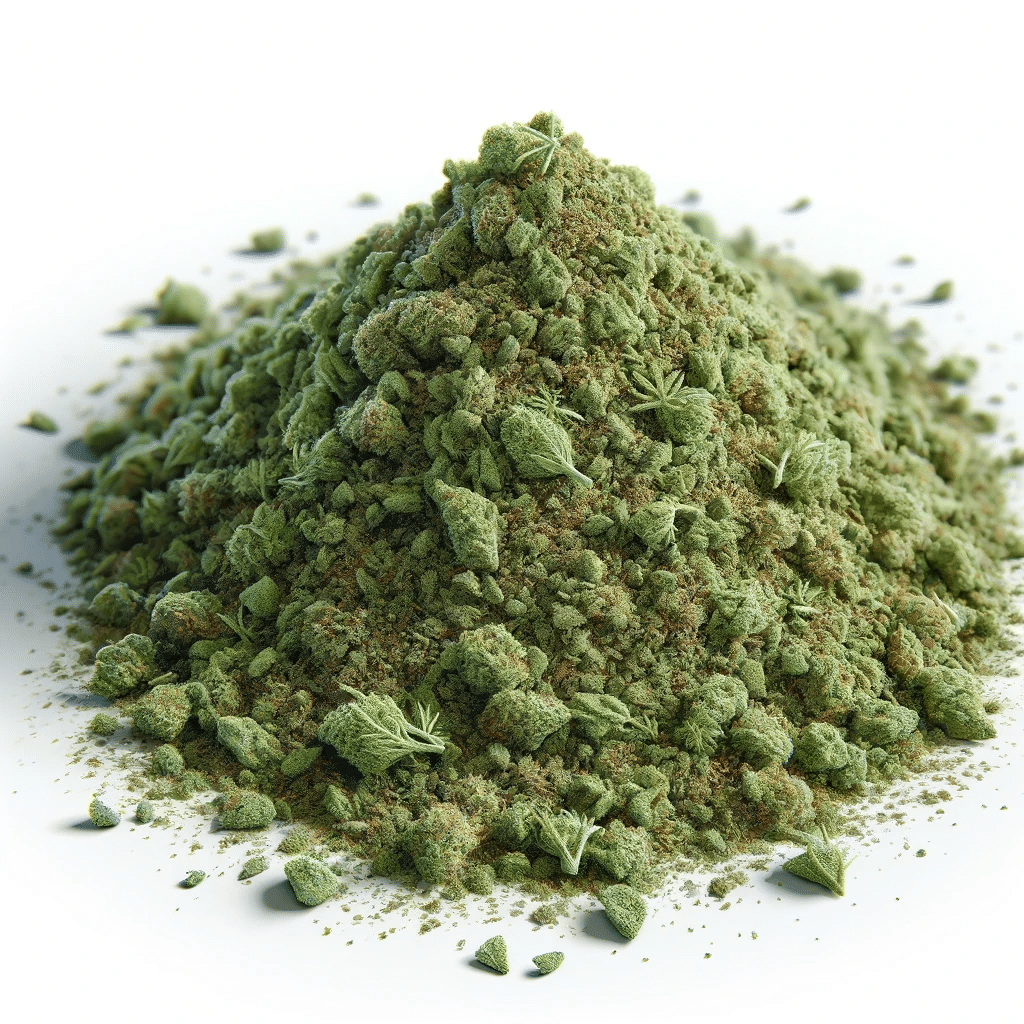
Grind consistency is another critical factor often underestimated. A uniform, medium-fine grind is generally preferred, resembling coarse sand rather than a fine powder or chunky flakes. Too coarse, and the pre-roll may burn unevenly, creating ‘canoeing’ where one side burns faster than the other, leading to wasted material and an inconsistent draw. Picture a log burning only on one side, inefficient and frustrating. Too fine, and the material can pack too densely, restricting crucial airflow, leading to a tight, difficult draw and reduced combustion efficiency. This often results in a harsh, muted flavour profile, as the plant material smoulders rather than combusts cleanly. The ideal grind allows for steady, unimpeded airflow and an even burn, ensuring the terpenes are gradually vaporised, preserving their delicate profiles and delivering their full aromatic spectrum.
Engineering the Burn: Airflow, Density, and Structural Integrity
The mechanics of a pre-roll’s burn are heavily influenced by its internal structure, requiring thoughtful engineering. Airflow is the lifeblood of a consistent cherry and the key to allowing the proper volatilisation of terpenes. This essential flow begins with the filter or crutch. A well-constructed crutch not only serves the practical purpose of preventing plant material from entering the mouth but also provides critical structural integrity to the pre-roll’s base and establishes the initial draw resistance. Variations in crutch design, from simple W-folds that offer a basic filter and moderate airflow, to more complex spiral or multi-segment filters that can create a more open channel for smoother draws, or even glass tips for a cooler, cleaner pull, can subtly but significantly alter airflow dynamics and the overall smoking experience. The choice of crutch material, typically sturdy paper or even glass, also affects heat dissipation and structural support.
The density of the packed material is equally important, demanding a delicate hand and keen understanding of combustion physics. An overly loose pre-roll will burn quickly and hot, much like kindling, potentially leading to a harsh, unenjoyable experience and the rapid degradation of desirable compounds. It can also result in loose ash and a messy, uncontrolled burn. Conversely, a pre-roll packed too tightly will restrict airflow to a suffocating degree, making it difficult to draw, causing it to extinguish frequently, and leading to an incomplete, inefficient burn of the material. This often results in a ‘plugged’ feeling and a disappointing lack of flavour. The ultimate goal is a uniform density throughout the entire length of the pre-roll that allows for a smooth, consistent draw and an even burn rate, which in turn facilitates a steady, controlled release of the flower’s aromatic compounds, much like a perfectly rolled cigar.
“The optimal pre-roll achieves a delicate balance: sufficient air circulation to maintain a steady burn, yet enough density to ensure the material combusts slowly and thoroughly, maximising the nuanced flavour profile of the chosen cultivar. It’s a symphony of preparation, not just a simple roll.”
Flavour Preservation and Enhancement Techniques
Beyond the inherent flavour of the chosen cannabis strain, crafting techniques can further preserve and even subtly enhance the sensory experience, elevating it from mere consumption to a true appreciation. The use of natural rolling papers, free from added dyes, chlorine bleach, or harsh chemicals, is absolutely fundamental. These additives can introduce unwanted, acrid tastes that mask the delicate terpene profiles. Papers made from hemp, rice, or wood pulp each have slightly different burn rates and can subtly influence the taste, with unbleached options often preferred for their minimal impact on flavour. Hemp papers, for instance, tend to burn slower and offer a slightly earthy note, while rice papers are known for their ultra-thin profile and neutral taste. The glue line, too, should be thin, made from natural gum arabic, and neutral in taste, ensuring it doesn’t leave an unpleasant residue on the palate.

In some artisanal approaches, the inclusion of other botanical materials can be considered, though this is less common and often restricted within the strictly regulated Australian medicinal market. However, where permitted and appropriate, the careful addition of complementary herbs known for their aromatic properties and smooth combustion can provide an additional layer of complexity to the flavour profile, as long as they do not overpower the cannabis’s inherent characteristics. For instance, a touch of lavender can add floral notes, or peppermint a refreshing coolness, provided they are of high quality and specifically chosen to harmonise with the cannabis terpenes. The focus, however, within the Australian framework, remains squarely on the cannabis itself. Minimising handling during the rolling process helps prevent the loss of fragile trichomes, the tiny, mushroom-shaped glands that contain the majority of cannabinoids and terpenes. Each gentle touch, each unnecessary movement, risks dislodging these precious reservoirs, thereby preserving the full spectrum of the flower’s natural properties and ensuring the patient receives the complete therapeutic and sensory benefit.
Combustion Control and the Elevated User Experience
The ultimate goal of meticulous pre-roll craftsmanship is to provide a superior user experience, characterised by controlled combustion and consistent flavour delivery. A well-made pre-roll should light easily and evenly, without requiring multiple attempts or excessive heat. Once lit, it should maintain a consistent cherry without constant relighting, indicating optimal airflow and density. Crucially, it should produce a fine, white ash, indicative of complete and clean combustion. A harsh, black, or chunky ash often suggests an incomplete or overly rapid burn, potentially due to poor material preparation, excessive moisture, or improper packing, all of which compromise the flavour and efficiency.
The draw should be smooth and consistent from start to finish, allowing the patient to fully appreciate the complex interplay of terpenes and cannabinoids. This consistent burn ensures that the temperature remains within an optimal range for terpene volatilisation, preventing them from being destroyed by excessive heat, which can lead to a burnt, acrid taste. Imagine tasting a perfectly brewed cup of tea versus one that’s been boiled too long; the difference in flavour is stark. The duration of the burn should also be predictable and satisfying, reflecting the density and material volume, contributing to a reliable and enjoyable experience that lasts just as long as expected, without sudden, premature extinguishing or a rapid, uncontrolled burn-through. This predictability is key for medicinal patients who rely on consistent dosing and experience.
The art of the pre-roll, even within the confines of the Australian medicinal cannabis framework, is a sophisticated interplay of horticulture, material science, and design. It is not merely about convenience but about an intentional approach to consumption that respects the nuances of the plant and enhances the experience for the authorised patient. By understanding and applying principles of material selection, meticulous preparation, and precise construction, producers and craftspeople can deliver a product that consistently offers enhanced combustion, a smoother draw, and a truer, more authentic expression of the cannabis flower’s unique and complex flavour profile. This dedication transforms a simple delivery method into a refined ritual, honouring the plant and benefiting the patient.