Cannabis as a Cultural Icon: Representation in Contemporary Australian Art and Media Post-Legalization
This paper examines the portrayal of cannabis as a cultural icon within contemporary Australian art and media, reflecting its changing societal perceptions in the post-legalization landscape.
Australia’s relationship with cannabis has long been complex, oscillating between entrenched prohibitionist narratives and a burgeoning recognition of its diverse applications. For decades, the plant was firmly relegated to the shadows of illicit subculture, its very mention often conjuring images of criminality and societal decay. However, with the incremental yet profound shifts towards legalisation for medicinal use across the nation, and the pioneering allowance of limited personal cultivation in the Australian Capital Territory (ACT), a fascinating cultural re-evaluation is now underway. This evolving legal landscape is not merely a bureaucratic adjustment or a series of legislative amendments; it is fundamentally reshaping how cannabis is perceived, discussed, and visually represented within contemporary Australian art and media, moving it from its historical clandestine status into a more nuanced, often public, and increasingly legitimised discourse.
Shifting Perceptions and Visual Narratives
Historically, cannabis imagery in Australia was largely confined to two distinct realms: the underground counter-culture movements that embraced its rebellious spirit, or the sensationalist media portrayals that reinforced negative stereotypes. Think of the stark, grainy footage of clandestine grow-house raids, the ominous headlines detailing drug busts, or the cautionary tales woven into public health campaigns designed to deter use. These visual cues cemented cannabis’s image as a dangerous, illicit substance, far removed from any positive or neutral association.
The post-legalisation era, particularly concerning the widespread and growing medicinal access, has catalysed a transformative shift. Artists and media producers are now exploring cannabis not just as a plant, but as a multifaceted symbol of wellness, a subject of intricate botanical complexity, and even a potential driver of significant economic and social change. This new visual language actively seeks to normalise the plant, presenting it with a scientific reverence previously reserved for other medicinal herbs, or an aesthetic appreciation typically afforded to revered botanicals. This involves a deliberate move away from the caricatured representations of the past, towards an imagery that is informed, respectful, and often beautiful.
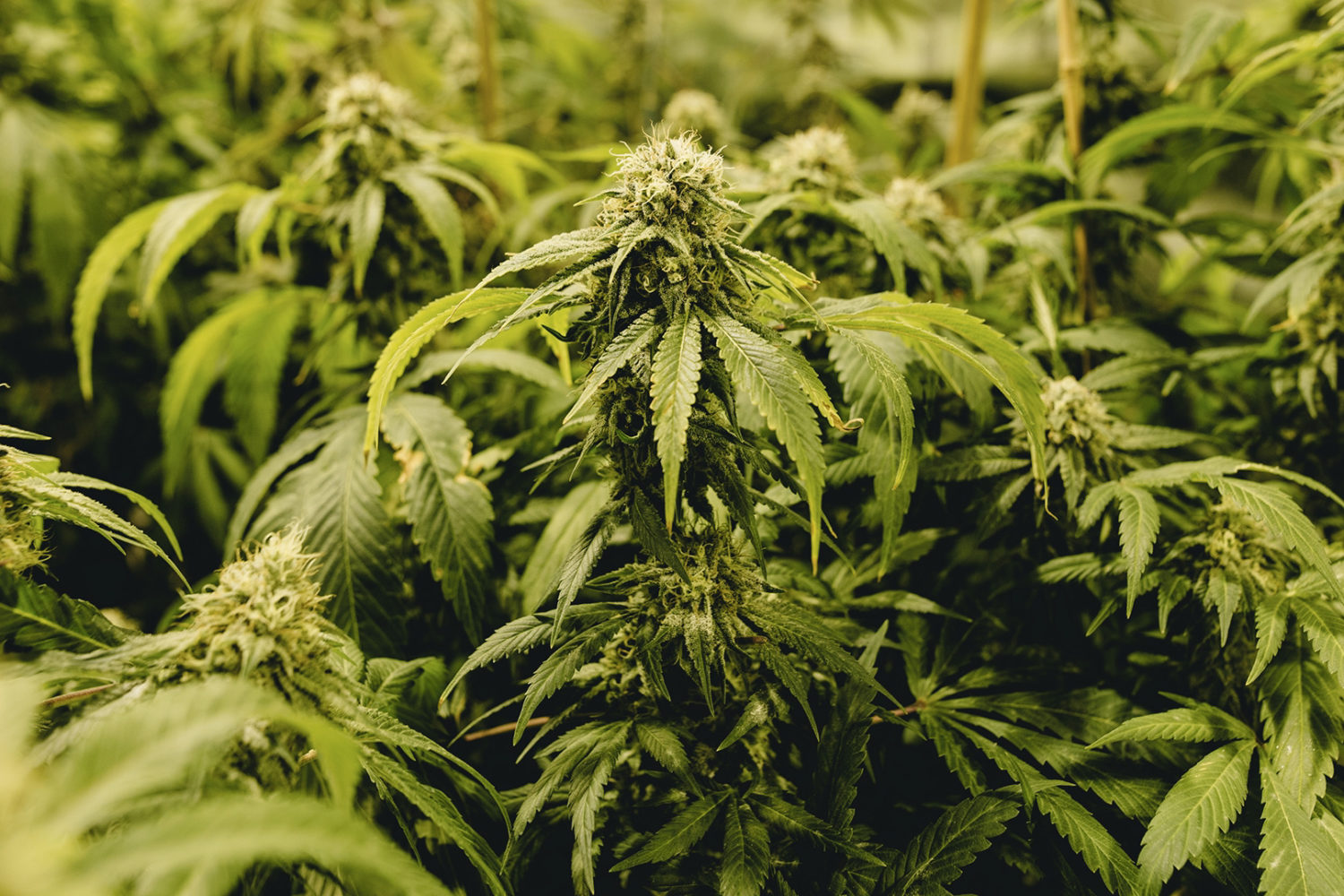
The visual representation often moves far beyond the ubiquitous ‘leaf’ motif, which, while iconic, often fails to convey the plant’s true sophistication. Instead, contemporary works incorporate more abstract interpretations, focusing on the plant’s intricate biological structures, such as the crystalline trichomes that house its therapeutic compounds, to highlight its sophisticated chemistry and pharmacological potential. This reflects a broader cultural movement towards understanding cannabis not as a singular, monolithic entity, but as a diverse genus with an astonishing array of varying profiles and effects, a perspective long understood and cherished by connoisseurs of specific strains and terpene compositions. For instance, an artist might meticulously render the complex glandular hairs of a cannabis flower, highlighting the resin production that holds the key to its therapeutic properties, much like a botanical illustrator would detail the delicate structure of an orchid or a rare medicinal mushroom. This granular focus elevates the plant from a generic ‘drug’ to a subject worthy of serious scientific and artistic inquiry.
“The normalisation of medicinal cannabis has created a profound space for artists to explore the plant beyond its illicit past, focusing instead on its inherent botanical beauty, its intricate pharmacological complexity, and its rich, often controversial, cultural history.”
Cannabis in Australian Art
Contemporary Australian art is now beginning to reflect this evolving cultural dialogue with increasing boldness and nuance. While direct, explicit depictions of cannabis, particularly in a recreational context, might still remain somewhat niche, there’s an undeniable and observable trend towards incorporating themes related to its use, cultivation, or broader societal impact. This can manifest in exquisite botanical illustrations that treat cannabis with the same scientific accuracy, artistic precision, and aesthetic detail as any other revered medicinal herb, or in more conceptual pieces that explore profound themes of healing, personal freedom, the tension between nature and regulatory frameworks, or even the historical injustices of prohibition.
A particularly compelling development sees some artists utilising the plant itself, or its robust fibres, as a primary artistic medium. This tactile engagement with the plant material can be a profoundly powerful statement, directly linking artistic creation to the very source of a once-forbidden substance. Imagine sculptures woven from hemp fibres, or intricate collages incorporating dried cannabis leaves, each piece carrying the weight of its material’s history and its newfound legitimacy. This practice draws clear parallels with other natural materials traditionally used in art, such as wood, clay, or natural dyes, thereby subtly integrating cannabis into a long-standing tradition of organic art. The art world, renowned for its innate ability to challenge societal norms, subvert expectations, and push the boundaries of perception, is slowly but surely integrating cannabis into its thematic and material lexicon, reflecting its growing presence and acceptance in everyday discourse. Galleries might feature photographic series documenting the meticulous cultivation process of medicinal cannabis, or abstract paintings that evoke the plant’s psychoactive properties through colour and form, moving beyond literal representation to capture its essence.

Media’s Evolving Portrayals
In Australian media, the shift is perhaps most immediately evident and impactful in the dramatic move from purely sensationalist, fear-mongering reporting to increasingly informed, balanced, and evidence-based coverage. News articles and documentaries, rather than solely relying on law enforcement perspectives or anecdotal horror stories, now frequently feature expert opinions from leading botanists, pharmacologists, medical professionals, and public health experts. This fundamental shift reflects a profound maturation of public discourse around cannabis, moving decisively from an era of moral panic and demonization to one of rigorous, evidence-based discussion, particularly concerning its legitimate medicinal applications and potential therapeutic benefits.
Beyond traditional news, lifestyle and cultural media outlets are also actively re-framing cannabis in increasingly sophisticated ways. Where once mentions were rare, hushed, and almost invariably negative, now there are open and honest discussions around responsible use, the intricate nuances of different product forms available through legal medicinal pathways, and even deep explorations of the plant’s rich historical and anthropological significance. Magazines might feature articles on the emerging cannabis industry, interviews with patients whose lives have been transformed by medicinal cannabis, or features on the scientific research exploring its potential. This media representation, while still necessarily cautious in many quarters due to ongoing and complex legal restrictions, subtly yet powerfully contributes to its normalisation as a legitimate subject of intellectual interest, scientific inquiry, and cultural exploration. Podcasts might host discussions with experts on terpene profiles, while online platforms offer guides to understanding the medicinal cannabis landscape, all contributing to a more educated public.
Regulation and Public Perception
The Australian regulatory environment, with medicinal cannabis strictly controlled via prescription through the Therapeutic Goods Administration’s (TGA) Special Access Scheme and Authorised Prescriber pathways, significantly shapes and constrains how it can be represented. Unlike jurisdictions with broad recreational markets or easily accessible storefront dispensaries, Australian media and art simply cannot depict casual retail access or general cultivation without risking severe misrepresentation and potentially legal repercussions. This inherent constraint means that artistic and media representations often focus on the profound patient journey, the rigorous scientific research underpinning its efficacy, or abstract cultural commentary, rather than consumer-facing lifestyle content that might be common in places like California or Canada.
This careful navigation of complex regulations means that artistic and media representations frequently carry an implicit educational component, subtly informing the public about the legal realities, approved pathways, and the medical framework surrounding cannabis in Australia. The absence of a broad recreational market nationally (beyond the ACT’s unique personal possession laws) means that the cultural iconography remains heavily influenced by its medicinal utility and its botanical identity, rather than a wider, more commercial consumer culture. For instance, an artwork might subtly depict a patient consulting with a doctor, or a visual showing the rigorous packaging and labelling of a medicinal cannabis product, reinforcing the regulated, medical context. This emphasis helps to demystify the process and build public trust.
“The careful balance between artistic expression and regulatory compliance is a defining and distinctive characteristic of cannabis representation in contemporary Australia, shaping its visual language and thematic focus.”

The Future of Cannabis Iconography
As scientific research into cannabis strains, terpene profiles, cannabinoid interactions, and product craft continues to expand at an exponential rate, and as public understanding and acceptance deepen, its cultural iconography is likely to become even more sophisticated, nuanced, and detailed. We may increasingly see artists and media producers exploring the subtle differences between indica and sativa representations, moving beyond simplistic categorisations to capture the unique aesthetic qualities of different terpene profiles, perhaps depicting the vibrant citrus notes of Limonene or the earthy calm of Myrcene through colour and texture. They might also explore the intricate processes of product creation, from cultivation and harvesting to extraction and formulation, offering a glimpse into the burgeoning industry. This granular understanding, which underpins true connoisseur culture and scientific appreciation, offers a rich and fertile vein for artistic and journalistic exploration.
The trajectory strongly suggests a future where cannabis is increasingly integrated into mainstream cultural narratives, shedding its lingering, outdated stigma. As Australia continues to refine its approach to this complex and historically misunderstood plant, its representation in art and media will serve as a vital and dynamic barometer of evolving societal attitudes. This journey will reflect a profound shift from an illicit curiosity shrouded in secrecy to a recognised, albeit carefully regulated, component of our botanical, medical, and cultural landscape. We can anticipate art that explores the economic impact of the industry, media that examines the ethical considerations of cultivation, and visual narratives that celebrate the plant’s diverse applications, firmly cementing its place within the broader Australian story.
The transformation of cannabis imagery in Australian culture mirrors the broader social evolution occurring across the nation. From underground counter-culture to legitimate medical discourse, from criminal enterprise to regulated industry, the visual language surrounding cannabis continues to mature and sophisticate. This cultural shift represents more than aesthetic change; it signals a fundamental reconsideration of how society approaches previously marginalised subjects, how science informs policy, and how art and media can facilitate public understanding of complex issues. The cannabis plant, once relegated to the shadows, now finds itself increasingly illuminated by the bright lights of galleries, the careful scrutiny of scientific illustration, and the thoughtful analysis of contemporary media, marking a remarkable transformation in Australian cultural consciousness.