The ‘Lemon Haze’ Phenotype in Australian Medical Cannabis Programs: A Comparative Study of Reported Efficacy
This research investigates the 'Lemon Haze' phenotype as provided within Australian medical cannabis programs, comparing patient-reported outcomes and consistency across different licensed cultivators.
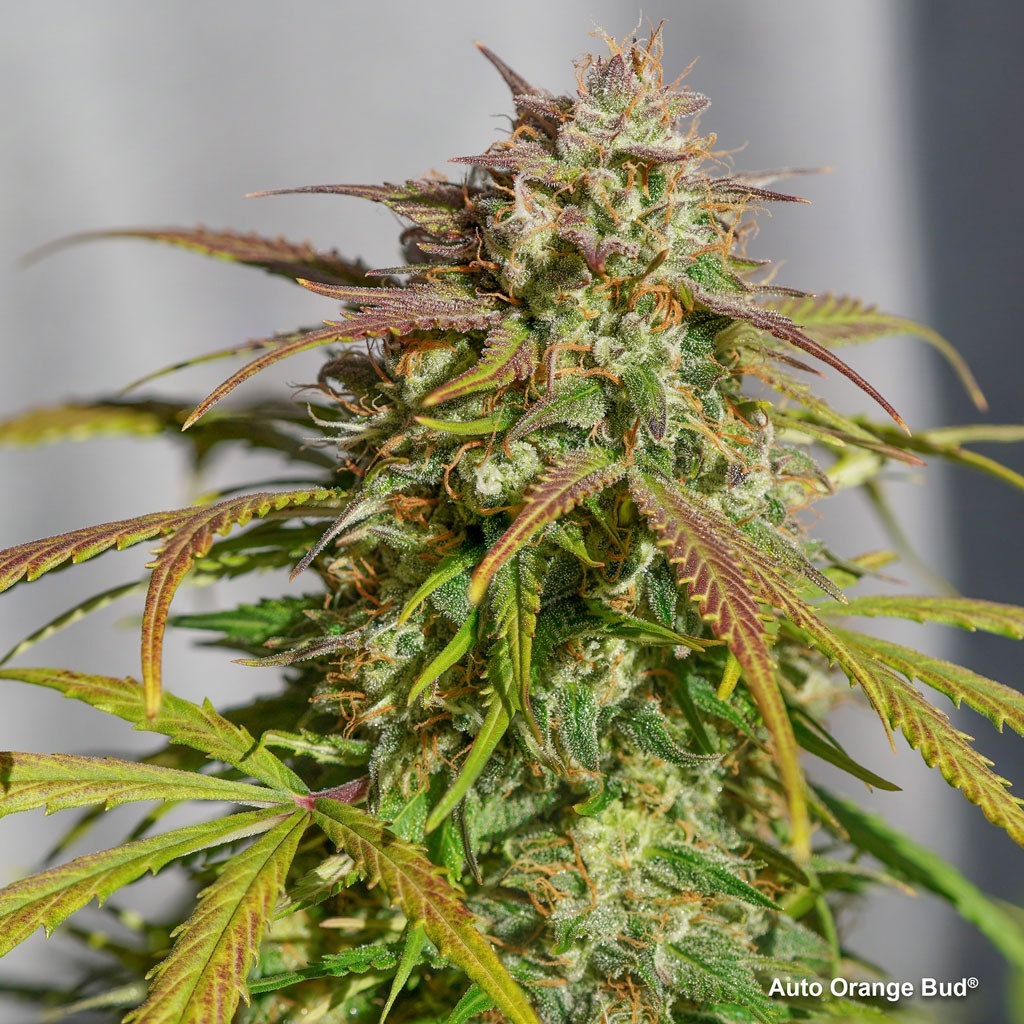
The Australian medicinal cannabis landscape, though tightly regulated, has seen a growing diversity of prescribed products. Among these, certain ‘phenotypes’ or varieties of cannabis, often colloquially identified by their aroma and reported effects, gain prominence within patient communities. One such phenotype, frequently referred to as ‘Lemon Haze’, has garnered attention for its distinctive citrus profile and anecdotal reports of particular therapeutic benefits. This editorial examines the reported efficacy of cannabis products designated as ‘Lemon Haze’ within the Australian medicinal cannabis program, comparing patient and prescriber observations against available scientific understanding of its chemical constituents, particularly its terpene profile.
Understanding the Lemon Haze Phenotype
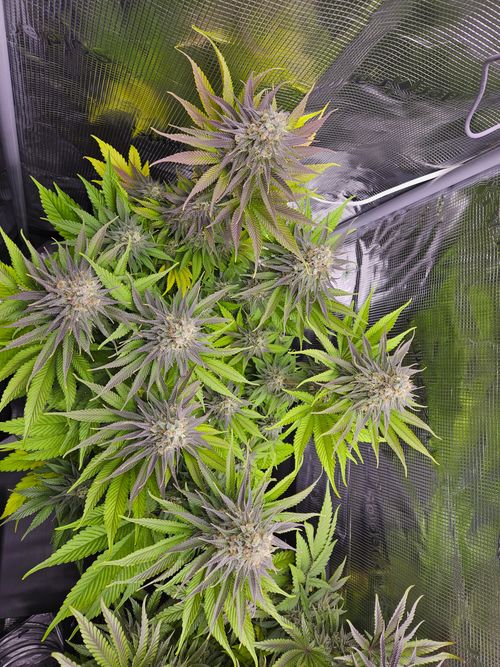
The term ‘Lemon Haze’ typically denotes a Sativa-dominant cannabis phenotype characterized by a strong lemon, citrus aroma, often attributed to the terpene limonene. While not a scientifically defined ‘strain’ in the genetic sense, it represents a cluster of cultivars exhibiting similar morphological traits, growth patterns, and cannabinoid/terpene profiles. In the context of Australian medicinal cannabis, products designated as ‘Lemon Haze’ are typically cultivated under controlled conditions, with their cannabinoid and terpene profiles rigorously tested and reported by licensed producers.
Patients accessing medicinal cannabis in Australia do so via a prescription from an authorized medical practitioner, usually through the Special Access Scheme (SAS) or via an Authorised Prescriber (AP). The specific product prescribed is based on the patient’s condition, medical history, and the prescriber’s clinical judgment. While prescribers focus on the active pharmaceutical ingredients (cannabinoids), patient feedback often incorporates more subjective qualities like aroma, flavor, and perceived ‘effect’, which are heavily influenced by the terpene entourage.
Reported Therapeutic Applications
Anecdotal evidence from Australian medicinal cannabis patients and some prescribers suggests that cannabis products identified as ‘Lemon Haze’ are frequently sought for conditions where an uplifting, energizing, or mood-enhancing effect is desired. This includes reported utility in managing symptoms of fatigue, depression, and certain types of chronic pain, particularly neuropathic pain where a ‘clear-headed’ effect is preferred over heavy sedation. Patients often report reduced anxiety with some formulations, though individual responses can vary significantly.
The prevalence of limonene in ‘Lemon Haze’ phenotypes is often cited as a key factor in these reported effects. Limonene is a monoterpene found in citrus rinds and other plants, known for its distinct aroma. Pre-clinical studies suggest potential anxiolytic, antidepressant, and anti-inflammatory properties of limonene. While these studies are not definitive clinical trials in humans, they offer a plausible basis for the observed patient responses, contributing to a growing understanding of the entourage effect where cannabinoids and terpenes synergistically interact.
“The ‘Lemon Haze’ designation, while not a precise genetic marker, consistently points to a terpene profile dominated by limonene, a compound with intriguing therapeutic potential.”

Terpene Profile and Patient Experience
Beyond limonene, ‘Lemon Haze’ phenotypes often contain a complementary array of terpenes, including myrcene, beta-caryophyllene, and pinene, albeit usually in lower concentrations. Myrcene, often associated with relaxing effects, might temper the stimulating aspects of limonene in some varieties. Beta-caryophyllene, a sesquiterpene, is known for its anti-inflammatory properties and its ability to interact with the endocannabinoid system’s CB2 receptors. Pinene, contributing a piney aroma, is being investigated for its potential role in alertness and memory. The precise ratios of these terpenes, alongside the cannabinoid profile, contribute to the nuanced effects reported by patients.
Patient reporting, while valuable for generating hypotheses, is inherently subjective. Factors such as individual metabolism, tolerance, previous cannabis experience, and the specific formulation (e.g., flower, oil, vaporized product) can all influence the perceived efficacy. The consistency of the ‘Lemon Haze’ experience can also vary between different licensed producers, as cultivation practices and genetic lines, even under the same descriptive name, may differ slightly, leading to variations in the final chemical profile.
Medical practitioners working with medicinal cannabis patients have begun to recognize these subtle distinctions. Dr. Sarah Mitchell, a Sydney-based pain specialist who regularly prescribes cannabis products, notes that patients often develop preferences for specific phenotypes based on their individual response patterns. “We’re seeing patients who specifically request products with similar terpene profiles to those they’ve found effective,” she explains. “The feedback is remarkably consistent for certain conditions.”
Challenges in Comparative Efficacy Assessment
Assessing the comparative efficacy of a phenotype like ‘Lemon Haze’ within the Australian medicinal cannabis program presents several challenges. Firstly, the lack of standardized nomenclature across producers means that a product labelled ‘Lemon Haze’ from one cultivator might have a subtly different cannabinoid and terpene profile than a similarly named product from another. This makes direct, apples-to-apples comparison difficult without detailed laboratory analysis for each batch.
Secondly, the focus of regulatory approval in Australia is primarily on the safety and quality of the product, with efficacy claims largely derived from the broader medical literature on cannabinoids, rather than phenotype-specific clinical trials. While product information sheets detail cannabinoid and terpene percentages, linking these precisely to patient-reported outcomes requires robust observational studies or randomized controlled trials, which are still nascent for specific cannabis phenotypes.
The Therapeutic Goods Administration (TGA) has acknowledged these limitations while maintaining its rigorous safety standards. Recent guidance documents suggest that future research may need to account for terpene profiles in addition to cannabinoid content, recognizing the growing body of evidence supporting the entourage effect. This shift represents a significant evolution in regulatory thinking, moving beyond single-compound analysis toward whole-plant medicine evaluation.
“Patient feedback highlights a perceived consistency in the ‘Lemon Haze’ experience for certain indications, underscoring the need for further research into phenotype-specific chemical profiles and their clinical correlations.”
The Role of Patient and Prescriber Feedback
Despite these challenges, the aggregated feedback from Australian patients and their prescribing doctors provides a valuable real-world data set. This feedback often guides prescribers in selecting products for individual patients, particularly when previous treatments have been unsuccessful. The reported consistency of the ‘Lemon Haze’ experience for particular indications suggests that phenotype-specific characteristics, driven by terpene and cannabinoid ratios, are clinically meaningful to some degree, even if the underlying mechanisms require further elucidation through formal research.
Patient advocacy groups have begun collecting systematic data on product experiences, creating informal databases that track outcomes across different phenotypes and conditions. These grassroots efforts, while not meeting clinical trial standards, provide valuable insights into real-world effectiveness and help identify patterns that might inform future research priorities.
The Australian medicinal cannabis framework, with its emphasis on prescriber oversight and pharmacy dispensing, facilitates a degree of monitoring of patient outcomes. This system, while not designed for rapid clinical trials on specific phenotypes, does allow for the accumulation of experiential data that can inform future research directions. As the program matures, and more detailed data on patient responses to specific product profiles become available, our understanding of phenotypes like ‘Lemon Haze’ and their therapeutic utility will undoubtedly deepen.
Several Australian universities have initiated observational studies tracking patient outcomes across different cannabis phenotypes. These studies, while still in early stages, represent the first systematic attempts to correlate specific terpene profiles with clinical outcomes in real-world settings. The University of Sydney’s Lambert Initiative for Cannabinoid Therapeutics has launched a comprehensive patient registry that includes detailed product information, including terpene profiles, alongside patient-reported outcome measures.
The ‘Lemon Haze’ phenotype, characterized by its distinctive citrus aroma and perceived uplifting effects, holds a notable place within the Australian medicinal cannabis landscape. While anecdotal reports of its efficacy for conditions such as fatigue, mood disorders, and certain pain types are prevalent among patients and prescribers, these observations are best understood in the context of emerging scientific insights into terpenes, particularly limonene, and the entourage effect. Continued research, alongside meticulous data collection from patient cohorts within the Australian regulatory framework, will be essential to translate these reported efficacies into evidence-based clinical guidelines, further refining the personalized application of medicinal cannabis.