Profiling ‘Kangaroo Kush’: A Comprehensive Analysis of an Australian-Bred Indica Dominant Hybrid
This paper presents a comprehensive profile of 'Kangaroo Kush', an indica-dominant hybrid cultivar developed within Australia, examining its unique genetic markers and cultivation resilience in diverse Australian environments.
Profiling ‘Kangaroo Kush’: A Comprehensive Analysis of an Australian-Bred Indica Dominant Hybrid
Regional cannabis cultivars reflect growing sophistication within the global botanical community. ‘Kangaroo Kush’ represents a notable Australian-bred indica dominant hybrid, developed through targeted breeding efforts for local conditions and preferences. This analysis examines its genetic lineage, phytochemical profile, and cultivation characteristics, providing evidence-based insights for researchers and connoisseurs within Australian cannabis research. Such detailed strain information becomes increasingly valuable as Australia’s medicinal cannabis sector matures under TGA regulatory oversight, requiring precise data on locally adapted cultivars.
Genetic Lineage and Hybrid Characteristics
‘Kangaroo Kush’ emerges from a careful cross between Afghan Kush and an Australian landrace sativa strain. This genetic combination carries profound significance. Afghan Kush enjoys global recognition for robust growth, exceptional resin production, and classic indica effects that deliver physical relaxation, deep sedation, and substantial pain relief. The Australian landrace sativa component, though less documented than equatorial counterparts, contributes resilience, environmental adaptability, and a unique terpene profile suited to Australia’s harsh, diverse climate. This sativa influence affects plant structure, growth patterns, and psychoactive experience, moderating the heavy indica effects.
Indica dominance produces a shorter, bushier plant with broad, dark green leaves—traits favored for discreet indoor cultivation where vertical space matters. Cultivators value its compact nature and dense, resin-coated flower production. The Australian landrace sativa influence may manifest in slightly longer internodal spacing, encouraging lateral growth, or adding cerebral uplift to the typical indica experience, preventing excessive sedation. The consistency of ‘Kangaroo Kush’ phenotypical expressions—how reliably observable traits like growth habit, flowering time, and cannabinoid profile appear across individual plants—interests cultivators and researchers seeking predictable outcomes for recreational and medicinal applications. Understanding these genetic markers enables precise breeding and cultivation strategies, ensuring consistent products for patients and consumers.
Phytochemical Profile: Cannabinoids and Terpenes
Laboratory analysis of ‘Kangaroo Kush’ reveals cannabinoid profiles dominated by tetrahydrocannabinol (THC), ranging from 18% to 25% in well-cultivated, properly cured samples. This positions it among high-THC strains, appealing to users seeking strong psychoactive effects or therapeutic relief from THC-responsive conditions. Cannabidiol (CBD) levels remain low, typically below 1%, marking this strain for psychoactive properties rather than non-intoxicating, anti-inflammatory CBD content. Minor cannabinoids like cannabigerol (CBG), cannabichromene (CBC), and tetrahydrocannabivarin (THCV) appear in trace amounts, contributing subtly to the “entourage effect.” Advanced analytical techniques like HPLC-MS could better quantify their roles and synergistic interactions in the overall pharmacological experience—crucial for tailored medicinal applications.
The terpene profile defines ‘Kangaroo Kush’, creating its distinctive aroma and flavor. Myrcene appears in significant concentrations, contributing earthy, musky, sometimes fruity aromas reminiscent of ripe mangoes or hops. Caryophyllene brings spicy, peppery, woody notes and uniquely binds to CB2 cannabinoid receptors among terpenes, potentially offering anti-inflammatory and analgesic properties. Limonene provides refreshing citrus scents like lemon or orange zest, while humulene adds earthy, woody, slightly hoppy undertones. This terpene combination creates complex sensory experiences and modulates cannabinoid effects through the entourage effect, influencing onset, duration, mood, and therapeutic benefits. Myrcene associates with sedative qualities while limonene links to mood elevation, creating balanced yet potent experiences.
“The interplay between dominant cannabinoids like THC and the specific terpene ensemble in strains such as ‘Kangaroo Kush’ offers a compelling case study for the entourage effect, where the sum of components may yield effects distinct from isolated compounds. This synergy is key to its therapeutic and recreational profile.”
Cultivation Characteristics and Plant Morphology
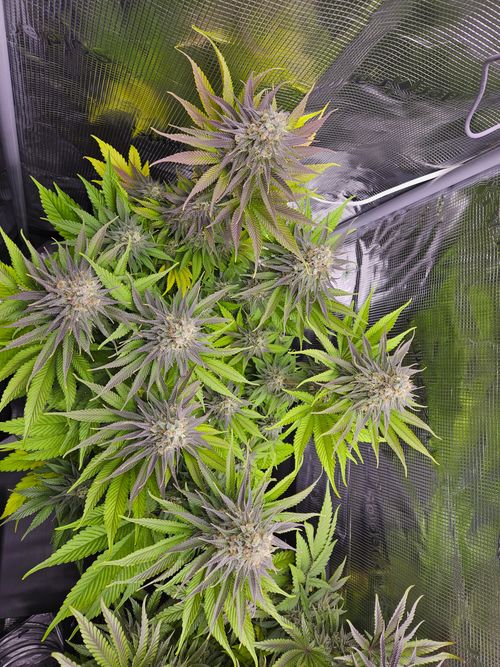
‘Kangaroo Kush’ exhibits indica-dominant hybrid growth characteristics enhanced by resilience and adaptability from its Australian landrace heritage. Plants typically reach 1 to 1.5 meters indoors under optimal conditions, featuring robust lateral branching that creates dense, bushy canopies. This growth habit suits various training techniques like Sea of Green (SOG) or Screen of Green (SCROG), maximizing yields in controlled environments. Flowering periods span 8 to 9 weeks efficiently, attracting commercial cultivators and hobbyists seeking quick turnaround. Outdoors, particularly in temperate to warm Australian climates, ‘Kangaroo Kush’ grows larger and more vigorously, potentially exceeding 2 meters with adequate root space and sunlight. Its resilience withstands minor environmental fluctuations and resists common pests and diseases better than delicate hybrids—valuable for outdoor cultivation.
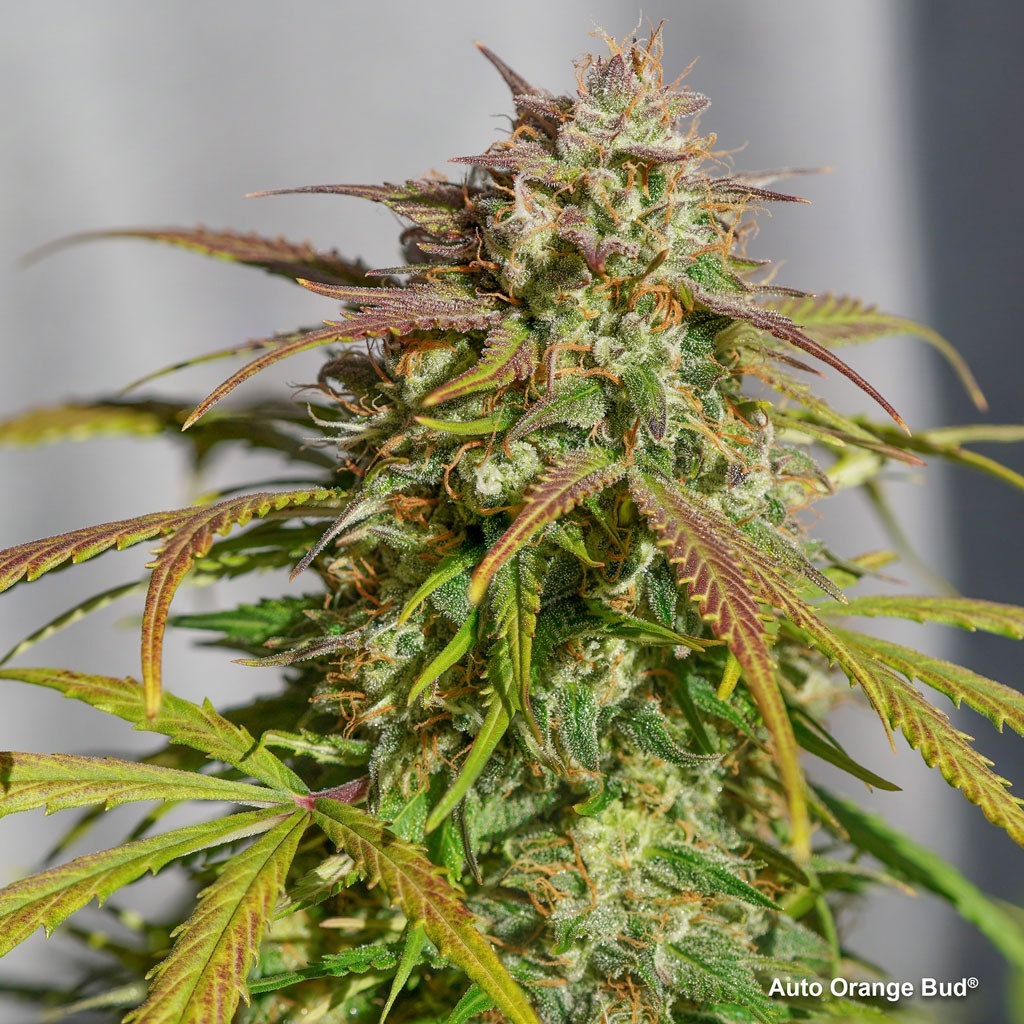
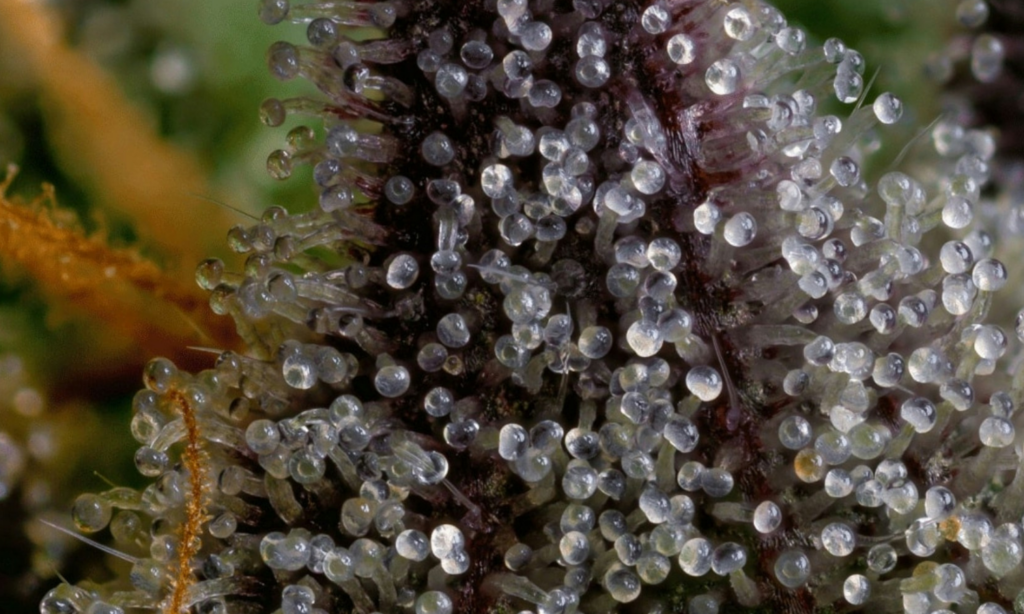
Plant morphology strikes observers with densely packed, conical or spade-shaped buds coated in thick, shimmering trichome layers indicating high resin production. Leaves display broad fingers characteristic of indica heritage, exhibiting vibrant green hues that sometimes develop purple or dark blue undertones in cooler flowering temperatures, particularly near cycle’s end. The favorable calyx-to-leaf ratio means fewer sugar leaves require trimming, simplifying post-harvest processing. Flowering aroma proves potent and complex, often filling grow spaces with distinctive earthy, musky, spicy notes reflecting rich terpene profiles. Understanding these morphological traits and cultivation requirements allows growers to optimize environmental parameters, nutrient regimens, and training methods for highest quality and yield consistent with genetic potential. This attention to detail proves paramount for medicinal and recreational markets, ensuring premium products.

Medicinal Applications and Recreational Appeal
High THC content and distinctive terpene profiles have earned ‘Kangaroo Kush’ attention for recreational appeal and medicinal applications within Australia’s developing medicinal cannabis framework. Recreationally, users report potent, long-lasting experiences characterized by deep physical relaxation, euphoria, and calm. This makes it popular for evening use or unwinding after stressful days. Subtle sativa influence from landrace parentage may contribute less overwhelming sedative effects than pure indicas, potentially allowing mental clarity and uplift before deeper relaxation sets in, providing more balanced experiences for some users.
Medicinally, high THC and specific terpene blends make ‘Kangaroo Kush’ promising for managing various conditions. Chronic pain patients, including those with neuropathic pain and inflammatory conditions, often report significant relief from THC’s analgesic properties and caryophyllene’s anti-inflammatory action. Sedative qualities benefit individuals with insomnia or sleep disorders, helping induce sleep and improve sleep quality. Anxiolytic (anxiety-reducing) and antiemetic (nausea-reducing) properties receive frequent citation from medical cannabis patients. Chemotherapy patients might find relief from nausea and appetite loss. Those experiencing severe stress, muscle spasms, or certain PTSD symptoms can find substantial therapeutic benefits from profound relaxation induced by ‘Kangaroo Kush’. However, high THC content requires medicinal users to start with low doses and titrate slowly, especially for cannabis newcomers or those with low tolerance. Psychoactive intensity may not suit all patients, and consultation with healthcare professionals specializing in cannabis medicine remains essential for appropriate, safe use within TGA’s stringent medicinal cannabis guidelines.