Genetic Stability and Phenotype Expression in Cloned Cannabis Cultivars: Implications for Australian Commercial Growers
This paper examines the genetic stability and consistent phenotype expression in cloned cannabis cultivars, offering insights crucial for Australian commercial growers.
In the Australian medicinal cannabis industry, consistent production of high-quality plant material drives commercial success. Cultivators rely heavily on clonal propagation to ensure crop uniformity, a practice essential for meeting regulatory requirements and patient expectations. Yet the long-term stability of genetic expression in cloned cannabis, particularly under varied cultivation environments, presents a complex challenge that commercial growers must navigate carefully. The potential for phenotypic drift and its underlying genetic mechanisms directly impacts product integrity, patient safety, and the economic viability of cultivation operations in a highly regulated market.
The Foundations of Clonal Propagation
Clonal propagation through cuttings has become the backbone of commercial cannabis cultivation. The method produces genetically identical copies of carefully selected parent plants, bypassing the genetic recombination and variability of sexual reproduction. This approach preserves desirable traits including specific cannabinoid and terpene profiles, robust growth habits, and disease resistance across successive generations. For Australian commercial growers operating under pharmaceutical-grade standards, this genetic fidelity translates into predictable yields, consistent product formulations, and compliance with quality control benchmarks mandated by the Therapeutic Goods Administration (TGA).
The preservation of a particular chemovar’s unique therapeutic characteristics extends far beyond aesthetic uniformity. Patients and prescribing practitioners depend on the assurance that a specific product will consistently deliver expected therapeutic compounds in predictable concentrations. Any significant deviation in chemical profile, whether in cannabinoid ratios or terpene concentrations, could undermine treatment outcomes, create adverse patient experiences, and erode confidence in the product and industry. A high-CBD strain known for anti-inflammatory properties, for example, could lose its therapeutic utility if cloning drift reduces CBD content or increases psychoactive THC levels, jeopardising patient trust.

Genetic Stability and Epigenetic Influences
While clones are genetically identical at the DNA sequence level, their phenotypic expression can vary significantly. This phenomenon, known as phenotypic plasticity or phenotypic drift, can be influenced by epigenetic modifications. Epigenetics refers to heritable changes in gene expression that occur without altering the underlying DNA sequence. These modifications act as regulatory switches, influencing whether genes are activated or suppressed, often in response to environmental cues.
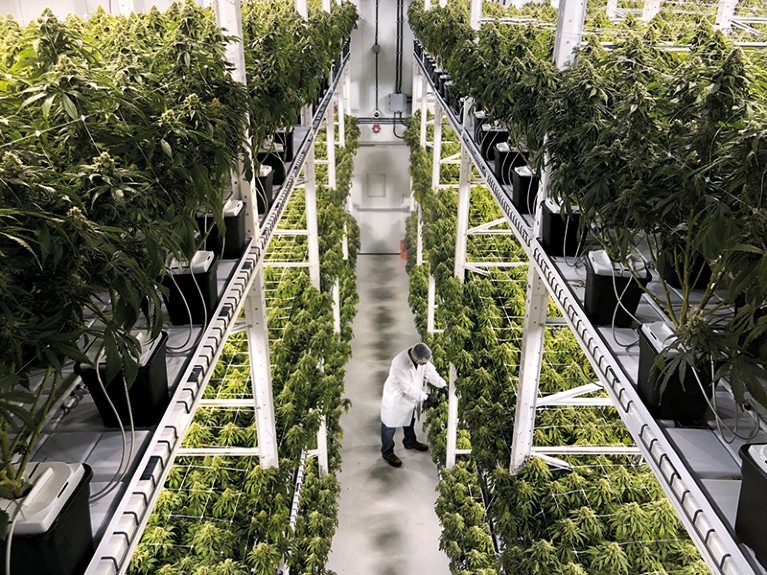
Environmental stressors can trigger epigenetic changes over multiple cloning cycles. Fluctuating light intensity, variable nutrient availability, temperature fluctuations, humidity swings, and pest pressures can all induce epigenetic shifts. These changes might not be immediately apparent but can accumulate gradually, leading to alterations in cannabinoid ratios, terpene concentrations, and plant morphology. For Australian commercial growers operating vast controlled environment agriculture facilities, managing environmental variables consistently across thousands of plants becomes a critical operational challenge. Even minor systemic inconsistencies can aggregate into significant epigenetic impact over time, making diligent environmental control essential.
The consistent production of high-quality plant material is paramount, and understanding the potential for phenotypic drift and its underlying genetic mechanisms is crucial for maintaining product integrity and economic viability.
Vigilant Monitoring and Quality Control
Effective monitoring of phenotypic expression is essential for identifying and mitigating genetic drift. This requires rigorous analytical testing of plant material, with particular emphasis on quantifying cannabinoid and terpene profiles across successive clonal generations. Advanced analytical techniques such as High-Performance Liquid Chromatography (HPLC) and Gas Chromatography-Mass Spectrometry (GC-MS) provide precise quantification of therapeutic compounds. Regular comparative analysis against an established baseline profile from the original mother plant is vital for detecting significant deviations. If a specific clone consistently shows a 5% reduction in Myrcene or a 3% increase in CBG compared to the mother stock over three generations, it indicates potential drift requiring investigation.
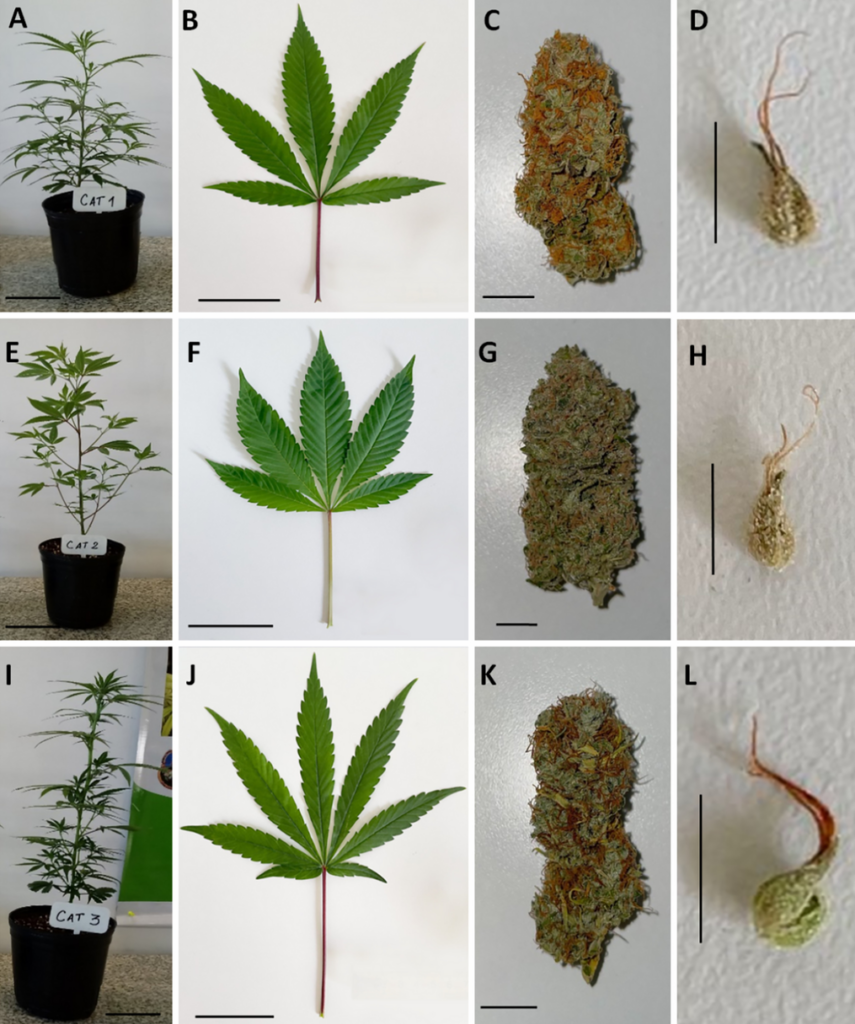
Systematic observation of morphological traits can serve as early indicators of drift. Growers should monitor changes in leaf shape, venation patterns, branching architecture, internodal spacing, and flower development timing. A clone that consistently exhibits narrower leaves or shorter internodes than its mother might signal underlying epigenetic changes affecting growth regulators. Maintaining detailed records for each clonal line is essential. These records should encompass analytical data, growth characteristics, environmental parameters during cultivation, and any observed anomalies. This data-driven approach allows for proactive intervention, such as refreshing mother stock from cryopreserved tissue culture or selecting new, phenotypically stable clones for propagation. Advanced phenotyping technologies, including automated imaging and AI-driven analysis, can enhance monitoring capability by detecting subtle changes invisible to the human eye.
Implications for Australian Commercial Cultivators
For Australian commercial cultivators operating under strict TGA regulations for medicinal cannabis, maintaining genetic stability and consistent phenotypic expression is existential. Product consistency is not merely a marketing advantage but a regulatory requirement. Significant variability in active pharmaceutical ingredients, including cannabinoids and terpenes, can trigger severe consequences ranging from costly product recalls and reputational damage to loss of market access. The controlled environment cultivation methods prevalent in Australia, utilising state-of-the-art indoor facilities, offer considerable environmental control. This precision agriculture can buffer against some unpredictable epigenetic influences, but does not eliminate the need for constant vigilance.
The long-term commercial viability of specific, high-value cannabis cultivars depends entirely on their consistent performance and reproducible therapeutic profiles. If a particular chemovar gains recognition for unique therapeutic properties—a specific terpene profile effective for anxiety or a cannabinoid combination for chronic pain—any deviation due to phenotypic drift could undermine its market position and patient trust. Investing in robust quality control protocols, including routine chemical analysis, advanced genetic and epigenetic screening technologies, continuous environmental monitoring, and data analytics, will be crucial for maintaining the integrity and regulatory compliance of cloned cannabis lines within the competitive Australian market. A proactive approach to understanding and managing drift allows Australian cultivators to build a reputation for quality and consistency, differentiating them in the global market.
The pursuit of genetic stability and consistent phenotypic expression in cloned cannabis cultivars is an ongoing process of monitoring, analysis, and adaptive management. Australian commercial growers producing pharmaceutical-grade medicinal cannabis must integrate a deep understanding of plant genetics and epigenetics into their cultivation strategies. By embracing scientific rigor and implementing robust quality assurance systems, they can safeguard the consistency and quality of their products. This commitment ensures that Australian patients receive reliable, high-quality medicine that meets their therapeutic needs, while guaranteeing that the nation’s medicinal cannabis industry continues to grow on a foundation of scientific integrity and commercial sustainability.