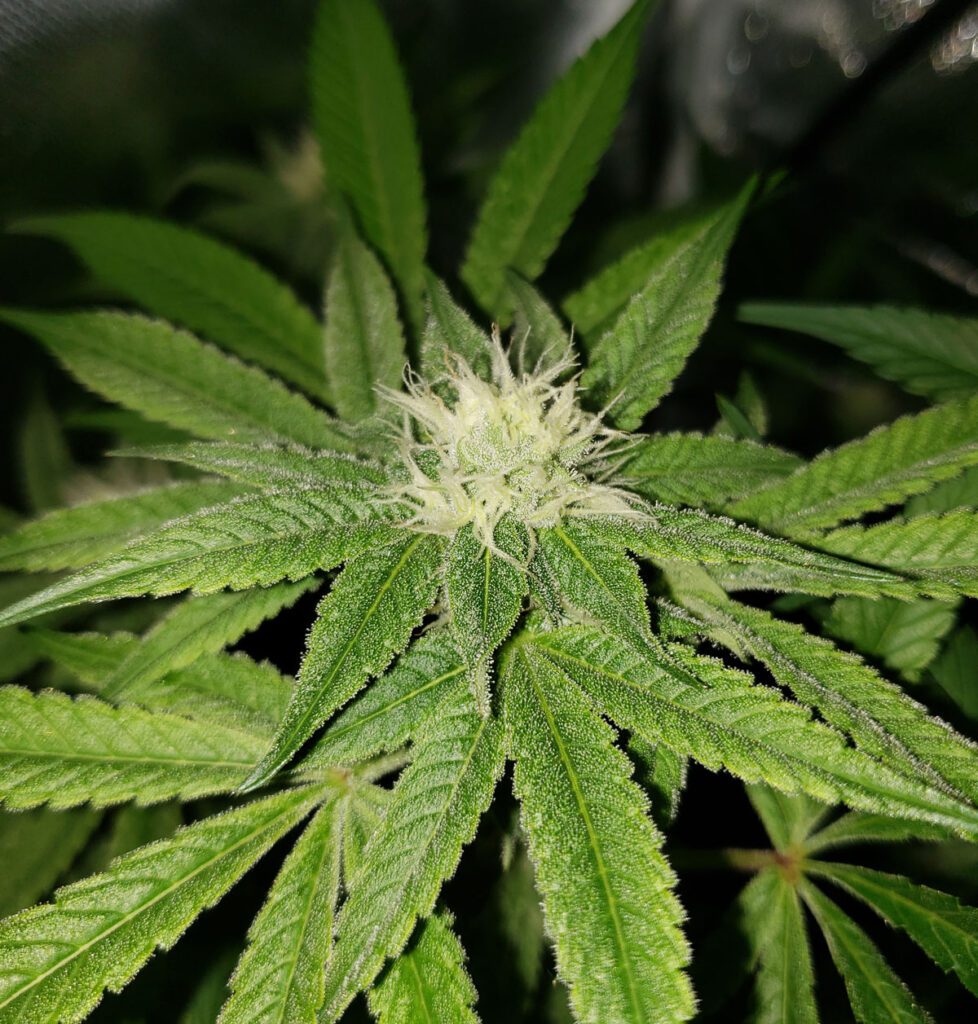
Controlled Environment Agriculture (CEA) for Cannabis in Arid Australian Regions: A Sustainability Assessment
This research evaluates the sustainability and efficacy of Controlled Environment Agriculture (CEA) practices for cannabis cultivation within Australia's arid climatic zones.
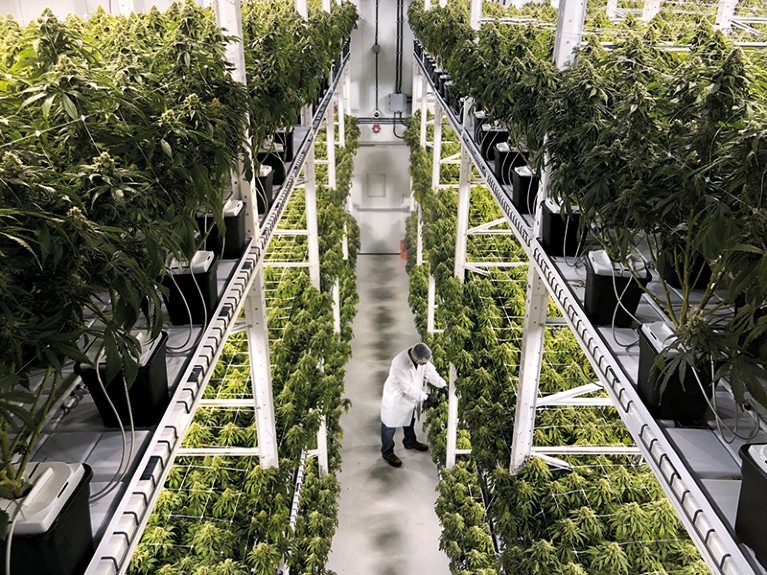
Australia’s vast, arid regions present unique challenges and opportunities for agriculture, particularly for high-value crops like medicinal cannabis. Controlled environment agriculture (CEA), encompassing greenhouses and indoor vertical farms, offers a compelling solution to the climatic adversities of these landscapes, promising precision cultivation and resource efficiency. However, applying CEA to cannabis production in these water-stressed, often remote areas demands rigorous sustainability assessment, balancing the energy demands of environmental control with resource conservation and the economic viability of supplying a tightly regulated medicinal market.
Defining Controlled Environment Agriculture for Cannabis
Controlled environment agriculture for cannabis cultivation involves systems where environmental parameters such as temperature, humidity, CO2 levels, light intensity and spectrum, and nutrient delivery are precisely managed. This ranges from advanced greenhouses using sophisticated climate control and supplemental lighting, to fully enclosed indoor vertical farms that rely entirely on artificial illumination and sealed environments. For arid Australian regions, the primary drivers for adopting CEA are mitigating extreme temperatures, conserving water, and protecting crops from pests and diseases without extensive pesticide use, all while ensuring consistent product quality and cannabinoid/terpene profiles.
CEA’s inherent advantages for cannabis cultivation include year-round production cycles, protection from adverse weather events like droughts, heatwaves, and bushfires, and a reduced geographic footprint. This latter point proves particularly pertinent in remote areas where arable land might be limited or infrastructure development costly. The ability to precisely tune environmental variables also allows cultivators to optimise plant growth and secondary metabolite production, leading to more predictable and reproducible yields of medicinal cannabis products, a crucial factor for pharmaceutical-grade consistency.
Resource Intensity and Energy Demands
While CEA offers significant benefits, its resource intensity, particularly energy consumption, cannot be overlooked. Maintaining optimal temperatures, running HVAC systems, powering grow lights, and operating sophisticated irrigation and fertigation systems all demand substantial electrical input. In arid regions, where grid infrastructure can be sparse and reliable power expensive, this energy demand becomes a critical sustainability metric. The carbon footprint associated with electricity generation, especially if reliant on fossil fuels, directly impacts the environmental credentials of a CEA operation.
Mitigating these energy demands often involves integrating renewable energy sources. Solar photovoltaic installations prove particularly attractive in sun-drenched arid Australia, offering a pathway to reduce reliance on grid electricity and lower operational costs over time. However, the intermittency of solar power necessitates robust energy storage solutions, such as battery banks, to ensure consistent supply for sensitive CEA systems. The upfront capital investment for such integrated renewable energy systems can be substantial, posing an economic hurdle for new entrants or smaller-scale operations.
The precise control offered by CEA can lead to a tenfold reduction in water use compared to traditional outdoor cultivation, a critical advantage in Australia’s arid zones.
Water Conservation Strategies and Challenges
One of the most compelling sustainability arguments for CEA in arid Australia is its unparalleled water efficiency. Traditional outdoor cultivation in these regions would be highly impractical without significant irrigation, drawing heavily on already scarce water resources. CEA systems, particularly hydroponic and aeroponic setups, can recirculate nutrient solutions, drastically reducing water consumption. Evapotranspiration losses are also minimised in enclosed environments, further contributing to water savings.
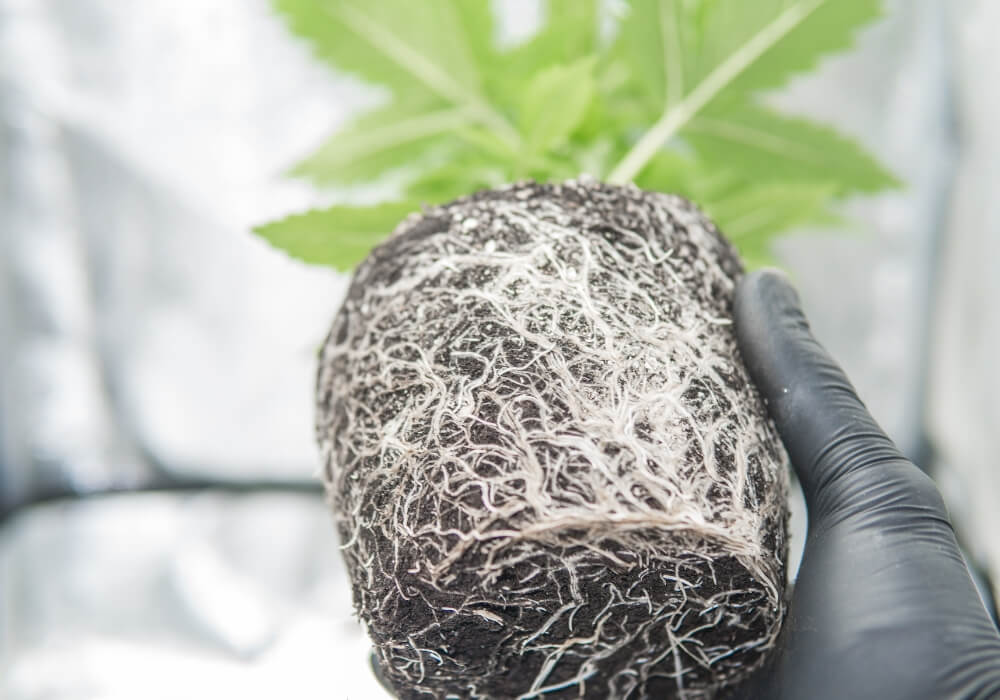
However, even with advanced recirculation, some water is inevitably lost through evaporation, plant uptake, and periodic system flushing. The quality of available water in arid regions can also be challenging, often requiring extensive filtration and reverse osmosis treatments, which themselves are energy-intensive and can generate wastewater concentrates. Careful management of these water purification processes and the responsible disposal or reuse of byproducts are essential for truly sustainable water stewardship within CEA cannabis cultivation.
Economic Viability in a Regulated Market
The economic viability of CEA cannabis cultivation in arid Australia is intrinsically linked to the highly regulated medicinal cannabis market. Unlike jurisdictions with recreational markets, Australian producers operate under stringent TGA regulations, requiring pharmaceutical-grade facilities, rigorous quality control, and extensive documentation. This regulatory overhead, combined with the high capital and operational costs of CEA, necessitates a clear path to market and sufficient demand for high-quality, consistent medicinal products.
The premium pricing associated with pharmaceutical-grade medicinal cannabis can help offset the higher production costs of CEA compared to less controlled cultivation methods. Furthermore, the reliability of supply and consistent cannabinoid/terpene profiles achieved through CEA are highly valued by prescribers and patients, potentially commanding a stronger market position. However, as the Australian medicinal cannabis market matures and competition increases, efficiency gains and further cost reductions in CEA will become increasingly important for long-term economic sustainability.
The Role of Terpenes and Product Craft
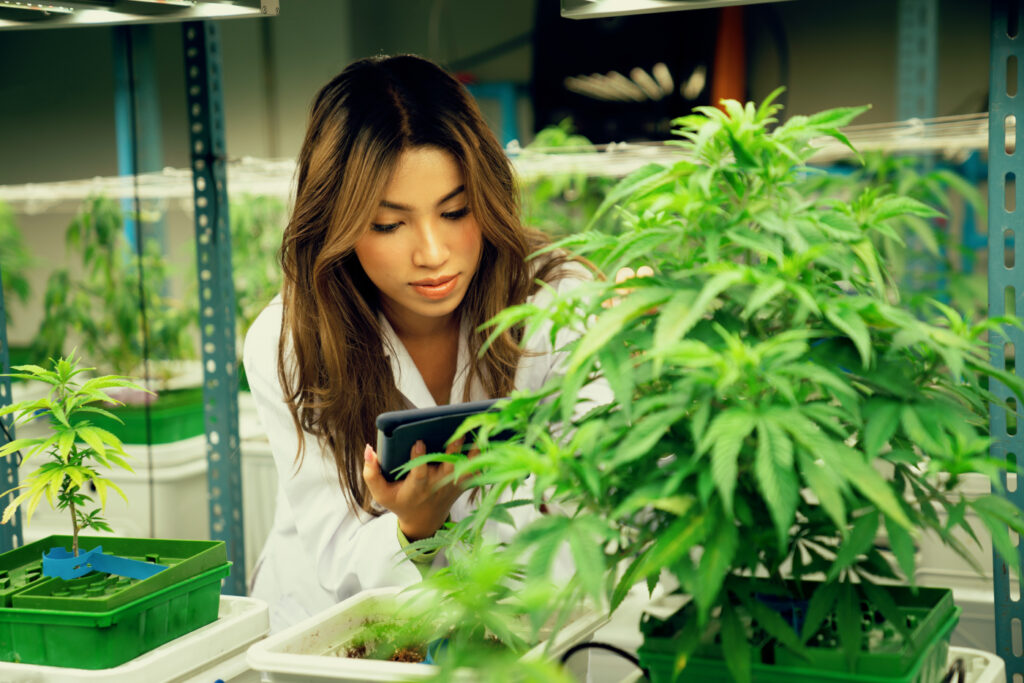
Beyond cannabinoids, the nuanced profiles of terpenes significantly contribute to the therapeutic potential and overall connoisseur culture of cannabis. CEA offers an unparalleled ability to manipulate environmental factors such as light spectrum, temperature fluctuations, and nutrient availability to influence terpene biosynthesis. This precision allows cultivators to consistently produce strains with specific, desired terpene profiles, catering to the evolving understanding of the entourage effect and the demand for bespoke medicinal products.
Optimising Terpene Expression
For example, adjusting UV-B light exposure or inducing specific stress responses within a controlled environment can enhance the production of certain monoterpenes or sesquiterpenes. This level of craft and scientific understanding in cultivation goes beyond mere yield optimisation; it creates a predictable and reproducible product that meets the exacting standards required for medicinal applications. The ability to guarantee these specific profiles is a significant differentiator for Australian medicinal cannabis producers in a global market.
The integration of controlled environment agriculture into Australia’s arid regions for medicinal cannabis cultivation represents a complex but potentially transformative pathway. It offers compelling solutions to environmental challenges, ensuring resource efficiency, consistent product quality, and the ability to meet stringent regulatory demands. While high initial investment and ongoing energy costs are significant considerations, the strategic deployment of renewable energy and advanced water recycling technologies can enhance sustainability. The success of CEA cannabis in these challenging environments will depend on a holistic approach that balances technological innovation, environmental stewardship, and a deep understanding of the evolving medicinal cannabis market dynamics.